Principal's Message
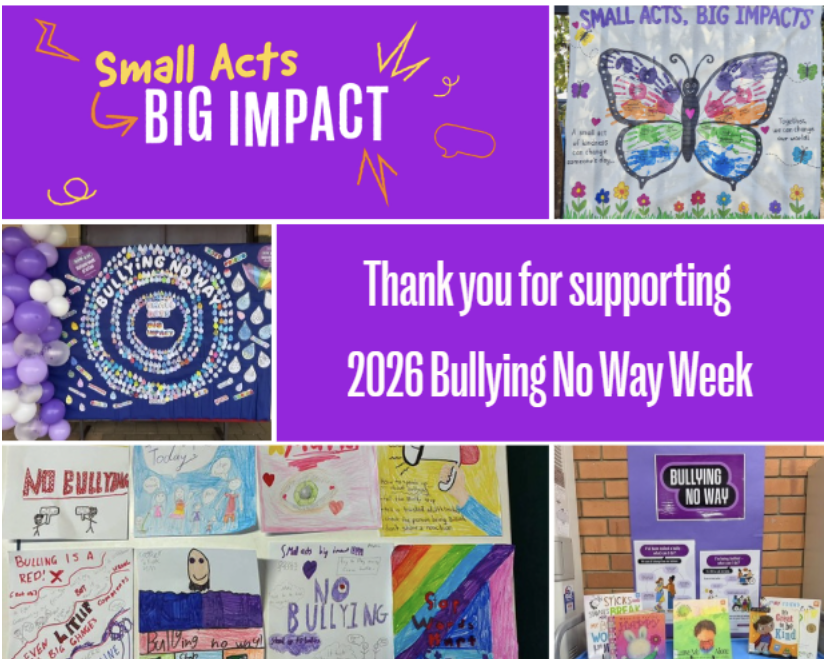
Last week, students across Helena College took part in Bullying No Way! National Week of Action, which provided an important opportunity to reinforce the role we all play in creating a safe, respectful and supportive College community.
Throughout the week, classroom and homeroom activities encouraged students to think about respectful relationships, recognise behaviours that can cause harm, and consider what they can do when they, or someone they know, needs support. These conversations were supported by resources from the Bullying No Way website and reinforced an important message for every student: You are not alone; there are adults at the College that you can speak to.
In the Junior School, students explored the difference between appropriate and inappropriate behaviours and considered how their words and actions can affect those around them. Our Junior School psychologist, Veronica Smith, also worked with classes through Social and Emotional Learning sessions, focusing on positive relationships and practical strategies students can use when friendships or interactions do not go as they had hoped.
The week was also recognised in the Senior School, with our Student Council leading Friday’s Bullying No Way! assembly. Students, teachers, Heads of Year and College leaders came together to reinforce a consistent message: bullying has no place at Helena College, and students should always seek support when something does not feel right.
An important part of addressing bullying effectively is having a shared understanding of what bullying is, and what it is not. The national definition describes bullying as an ongoing and deliberate misuse of power in relationships through repeated verbal, physical and/or social behaviour that intends to cause harm. It may occur face-to-face or online, can be obvious or hidden, and can involve an individual or a group.
There are three important elements that help distinguish bullying from other difficult interactions:
- A misuse of power – there is an imbalance of power within the relationship.
- Repeated behaviour – the behaviour occurs, or has the potential to occur, over time.
- Harm – the behaviour is intended to cause physical, social or psychological harm.
It is equally important to recognise what does not meet the definition of bullying. A one-off disagreement, an isolated incident or conflict between people with relatively equal power is not, in itself, bullying. This does not mean these situations are unimportant or should be ignored. They may still require support, guidance and intervention; however, understanding the difference enables us to respond in a way that best meets the needs of the students involved.
For families, students and staff, having this common understanding helps us work together and ensures concerns can be addressed appropriately through the College’s student care and management processes.
Perhaps the most important message from the week, however, extends well beyond Bullying No Way! National Week of Action. Whether a student is experiencing repeated bullying, navigating a friendship difficulty, dealing with conflict or simply feeling uncomfortable about the way they are being treated, we want them to tell someone.
We can provide support when we know what is happening. No student should feel unsafe or alone at Helena College, and there will always be someone here to listen, support and help.
Peter Coombs | Principal